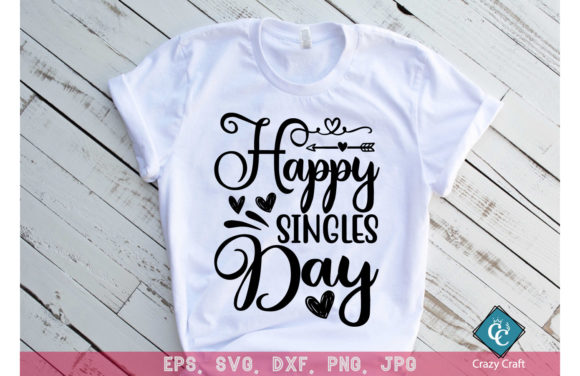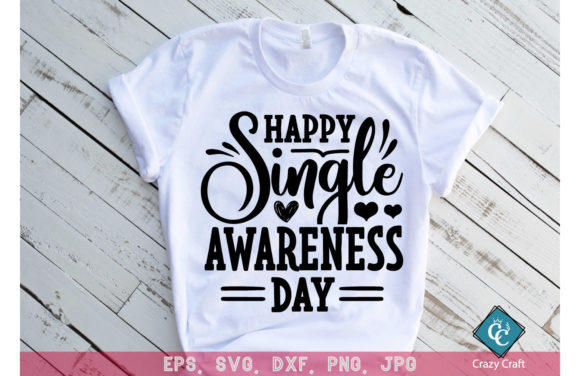
Happy Single Awareness Day. Funny Design
A Light-Hearted Stitch That Lands Just Right
As someone who’s stitched everything from nursery monograms to boutique apron collections, I approached Happy Single Awareness Day. Funny Design with equal parts curiosity and caution. It’s not just another Valentine’s trope—it’s a cheeky, self-aware pivot that feels refreshingly human. The first impression? Clean, bold, and intentionally uncluttered. There’s no overwrought script or cutesy hearts—just crisp, friendly lettering with subtle spacing that breathes on fabric. It reads instantly, even at 3.5 inches wide, which makes it ideal for tote bags, sweatshirt chests, or the front of a linen tea towel.
Where This Design Actually Shines (and Where It Doesn’t)
I tested Happy Single Awareness Day. Funny Design as the centerpiece of a custom embroidered canvas tote for a local gift shop’s “Anti-Valentine’s Pop-Up.” Paired with a simple black stabilizer and medium-weight cotton duck, the stitch-out held its shape beautifully—no puckering, no thread nesting. The letterforms are generous enough to avoid fragile satin-stitch edges, and the lack of fine serifs or tight kerning means it embroiders cleanly across varied hoop sizes. That said, it’s not built for micro-apparel: skip it on baby onesies under 4 inches tall, or curved cap fronts unless you’re willing to reposition and stabilize heavily.
This design thrives in contexts where tone matters more than ornamentation. Think: embroidered patches for craft fair vendors, minimalist sweatshirt embroidery for small-batch apparel brands, or pillow covers for a lighthearted bedroom refresh. It works especially well when paired with a single accent color—navy thread on cream linen, burgundy on oatmeal cotton, or charcoal gray on heathered gray fleece. Because it’s a Graphics-style file (not an applique design), it relies entirely on stitch structure—not fabric layering—so keep fill stitch density in mind if stitching on loosely woven fabrics like gauze or lightweight chambray.
Fabric & Function: What You’ll Need to Watch
- Thin or stretchy fabric? Use cutaway stabilizer underneath and a light tear-away on top—this design’s open letter spacing can sag without support.
- Dark fabric? Test white or metallic thread first. The contrast must pop without looking harsh; avoid overly shiny threads that distract from the message.
- Textured surfaces (like terry cloth towels or bouclé blankets)? Reduce stitch density slightly and consider adding a water-soluble topping to prevent skipped stitches in the loops.
- Curved or layered garments (caps, hoodies with pockets)? Hoop carefully—avoid placing the design too close to seams or folds where tension shifts mid-stitch.
Real Impact Beyond the Hoop
What surprised me most wasn’t how well it stitched—but how people responded to it. At the pop-up, customers paused, smiled, and often said, “That’s *so* me.” That kind of resonance is gold for Etsy sellers and handmade shops. Happy Single Awareness Day. Funny Design doesn’t shout—it invites. That makes it strong for personalized gifts (think: matching mugs + embroidered totes for Galentine’s gatherings) and boutique branding where authenticity outweighs polish.
It also elevates perceived value without demanding premium time or materials. Unlike dense floral motifs or multi-color scenic designs, this one stitches quickly, uses minimal thread, and rarely needs rehooping—ideal for high-turnover craft fair days or batch production for small shop merchandise. For commercial embroidery, it scales reliably across garment types, provided you’ve confirmed your machine handles the file’s native format (SVG/EPS/DX). Always check licensing before listing finished products or reselling the digital embroidery file itself—especially if you plan to offer it as part of a bundle or subscription.
Practical Designer Notes Before You Stitch
- Run a test on scrap fabric *first*—especially if using textured, dark, or stretchy material.
- Compare mockups in both black-and-white and full color to assess readability and balance.
- Review stitch density: if your machine defaults to heavy fills, soften them slightly for breathable fabrics like jersey or rayon blends.
- Confirm hoop size compatibility—if your smallest hoop is 4” x 4”, avoid shrinking the design below 3.25” wide.
- Inspect corners and terminals: look for any unintentional overlaps or thin connecting strokes that may vanish at smaller sizes.
- Use proper stabilizer—cutaway for knits, tear-away for stable wovens, and water-soluble for delicate surfaces like silk or lace overlays.
- Verify thread color contrast on both light and dark backgrounds before finalizing a client preview or Etsy listing.
- Ask yourself: does this support my brand voice? If your shop leans into warmth and wit (not irony or sarcasm), this design fits naturally. If your audience expects elegance or tradition, it may feel off-brand.
Final Thought: A Design That Earns Its Smile
Happy Single Awareness Day. Funny Design isn’t flashy—but it’s thoughtful. It respects the embroiderer’s time, the customer’s sense of humor, and the integrity of handmade product presentation. It belongs in the toolkit of any designer who values clarity, wearability, and quiet confidence over clutter and cliché. Whether you’re prepping holiday embroidery for a small shop, building digital embroidery file bundles for creative entrepreneurs, or stitching custom gifts for friends who’d rather sip wine than swap chocolates—this one lands with sincerity, not strain.