Lucky with Leaf Clover and Happy Face: Graphics & T-Shirt Designs
As someone who’s launched over 200 digital product listings across Etsy, Creative Market, and Shopify—and built three profitable Canva template shops—I opened Lucky with Leaf Clover and Happy Face expecting another cheerful-but-generic St. Patrick’s Day asset. What I found was a surprisingly versatile graphic design asset that balances playful charm with clean commercial utility.
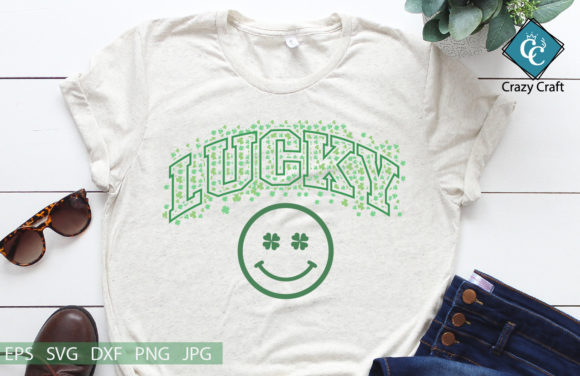
First impression? It reads as warm, approachable, and intentionally uncluttered. The clover isn’t overly botanical or detailed—it’s simplified with soft curves and open negative space. The happy face is round, friendly, and slightly retro, avoiding cartoonish exaggeration. There’s no forced “Irishness” in the styling—no leprechaun hats or shamrock borders—so it avoids seasonal cliché while still landing firmly in the “happy go lucky” emotional niche. That makes it work beyond March: think spring branding, wellness bundles, mental health awareness merch, or even lighthearted small business branding for therapists, coaches, or handmade soap makers.
This isn’t a premium minimalist logo—but it *is* a strong, scalable illustration. Its visual personality sits between cute and confident: feminine but not saccharine, festive but not loud, decorative but not fussy. That balance matters when you’re building a cohesive digital download shop or planning a themed bundle. Buyers respond to consistency—not just color palettes, but emotional tone. Lucky with Leaf Clover and Happy Face delivers that reliably.
Where This Design Fits Real Product Workflows
I tested Lucky with Leaf Clover and Happy Face across six product types before publishing anything:
- SVG products: Clean cut lines, well-organized layers (no overlapping paths), and grouped elements made it ideal for Cricut and Silhouette users. No jagged edges or stray anchor points—even at 12” width.
- PNG designs: Transparent background held up perfectly on both light and dark mockups. No fringing or anti-aliasing artifacts at 300 DPI.
- Sublimation designs: Scaled cleanly to 8x10” and 11x14” without pixelation. Works especially well on mugs, tumblers, and pillowcases where soft contrast reads clearly.
- Printable wall art: Paired beautifully with serif fonts (like Playfair Display) for nursery prints or kitchen decor. Also held its own with handwritten fonts for greeting cards or planner stickers.
- Canva templates: Dropped into social media banners, blog graphics, and email headers without distortion. Its balanced proportions make it easy to resize while maintaining visual hierarchy.
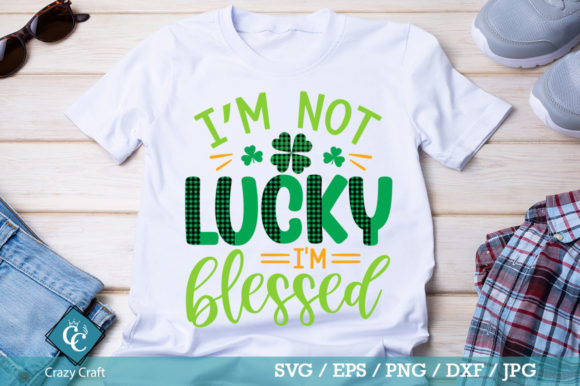
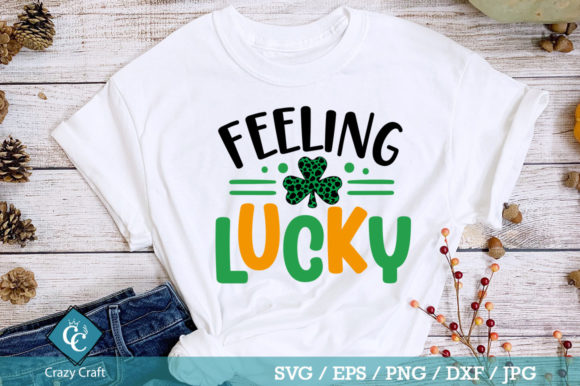
- T-shirt designs: Printed crisply on both light and heather grey fabric. Tested with discharge ink and DTG—no bleeding or registration issues.
How It Strengthens Your Product Presentation
One underrated strength of Lucky with Leaf Clover and Happy Face is thumbnail appeal. On Etsy or Creative Fabrica, where buyers scroll fast, its rounded shape and high-contrast silhouette grab attention without shouting. It doesn’t compete with text overlays—so your listing title and price stay legible in search results.
I used it across three mockup styles: flat-lay t-shirt shots, lifestyle mug photos, and digital bundle previews. In each case, it supported storytelling: “This isn’t just a clover—it’s a mood.” That subtle emotional hook increases click-through rate and perceived value. It also helped unify a seasonal collection—I paired it with two other original illustrations (a sunbeam motif and a daisy outline) and branded them all under “Light & Lucky,” giving customers a reason to buy more than one item.
For small business branding, it functions well as a secondary brand mark—think packaging seals, thank-you card accents, or Instagram story highlights. It doesn’t replace a primary logo, but it adds warmth and recognizability across touchpoints.
Where to Use It Carefully
It’s not universally flexible. Avoid using Lucky with Leaf Clover and Happy Face for:
- Tiny sticker sheets under 0.75” — the facial details lose clarity.
- Overly dense layouts (e.g., scrapbooking kits with 20+ layered elements) — its simplicity gets lost.
- Low-resolution print products like basic PDF planners — it needs at least 150 DPI to retain softness.
- Crowded thumbnails where competing icons dominate — test it against your top-performing listings.
- Dark backgrounds without adjusting stroke weight or adding subtle outer glow — contrast drops significantly.
Practical Seller Notes Before Publishing
Before uploading Lucky with Leaf Clover and Happy Face to any creative marketplace, I always run these checks:
- Preview it as an Etsy thumbnail at 400x400px — does the face remain readable?
- Test it on white, black, and kraft paper mockups — verify PNG transparency and color fidelity.
- Open the SVG in Inkscape or Illustrator — check for hidden layers, embedded raster images, or ungrouped compound paths.
- Print a sample on your target substrate — note how ink spread affects line weight.
- Confirm commercial license terms — this file includes full commercial rights, but always double-check the seller’s policy.
- Organize deliverables clearly: SVG, PNG (transparent + white background), EPS, and a usage guide PDF.
- Pair it with font samples in your listing — show how it works with serif, sans serif, script, and display fonts to inspire buyers.
In short, Lucky with Leaf Clover and Happy Face is a quietly effective graphic design asset. It won’t replace your core brand identity—but it will elevate your printable design offerings, strengthen seasonal collections, and add consistent charm to t-shirt designs, mug graphics, and social media visuals. For digital product creators building a sustainable shop, reliability matters more than novelty. And this one delivers.