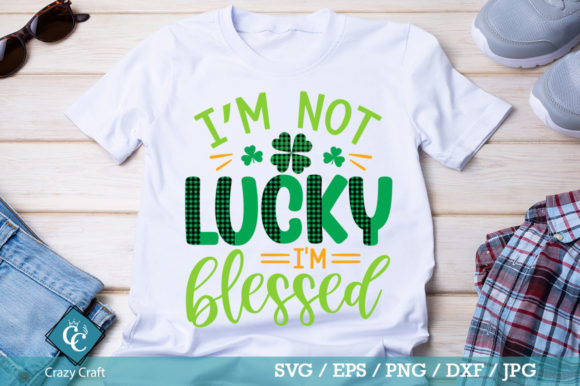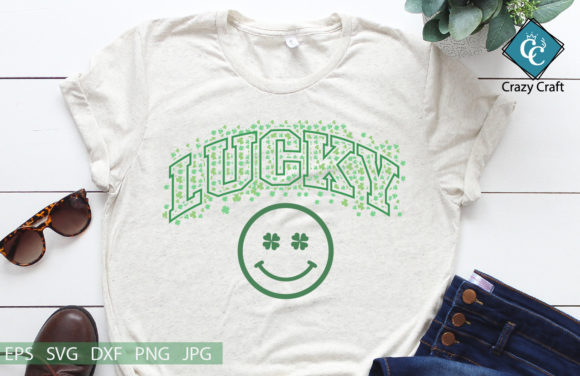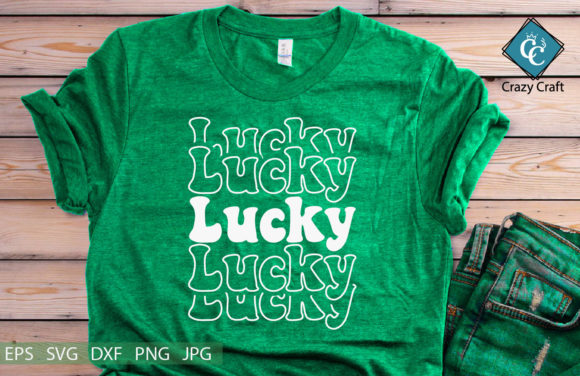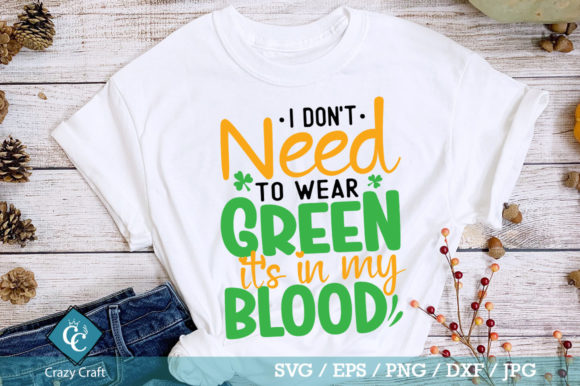
Feeling Lucky SVG: Graphics for T-Shirt Designs & Handmade Business
As a maker who’s shipped over 5,000 custom mugs, stickers, and seasonal t-shirts from my Etsy shop—and designed every single digital asset in-house—I opened Feeling Lucky SVG with high expectations. Not just for cut accuracy or file variety, but for real-world versatility: Will it hold up on a glitter vinyl tumbler wrap? Does it scale cleanly for a 2-inch planner sticker? Can I drop it into a St. Patrick’s Day gift tag bundle without redesigning the layout? After three full test runs across Cricut Design Space, Silhouette Studio, and Procreate, here’s what I found.
A First Impression That Feels Like Springtime Confidence
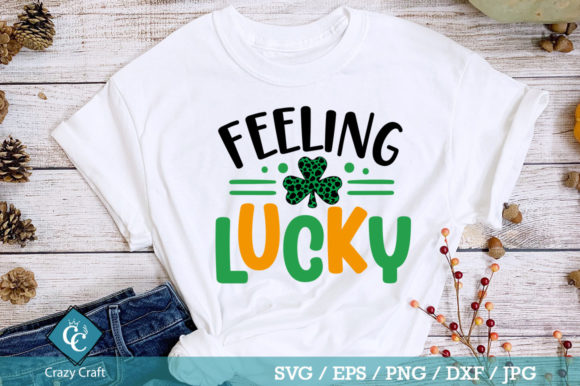
The moment I unzipped the folder, I noticed how Feeling Lucky SVG leans into playful elegance—not childish, not overly ornate. It’s got soft curves, balanced negative space, and that subtle clover motif woven into the lettering in a way that reads as “hand-drawn charm,” not clipart. It feels festive but grounded—perfect for customers who love handmade goods with personality: think teachers ordering classroom reward stickers, small business owners branding thank-you cards, or craft fair shoppers looking for cheerful yet refined apparel. It’s not minimalist, but it’s not cluttered either—ideal for makers who want standout graphics without sacrificing readability.
Where This Graphic Design Asset Truly Shines
I used Feeling Lucky SVG across six product types last week alone—and it performed strongest where clarity, scalability, and emotional resonance matter most:
- T-shirt designs: Scaled beautifully to 10” wide on Bella+Canvas tees—no pixelation, no jagged edges. Works equally well on light and dark fabrics when paired with opaque heat transfer vinyl.
- Sticker design: Cut flawlessly on my Cricut Maker 3 using matte vinyl. The rounded corners and open letterforms prevented weeding headaches—even at 1.75” size.
- Mug design & tumbler wrap: Used the SVG layer in Design Space to align with my wrap template; the clean vector paths ensured crisp sublimation transfers at 300 DPI.
- Printable design bundles: Dropped the PNG (with transparent background) into Canva for instant gift tags, party favor labels, and printable wall art—no extra masking needed.
- Handmade packaging: Printed the JPG version on kraft sticker paper for branded shipping labels and thank-you cards. The contrast held up even on textured stock.
- Small business branding: Adapted the clover motif as a standalone icon for my shop’s Instagram Story highlights and Etsy banner—thanks to the included EPS and DXF files.
Real Crafting Scenarios Where It Fits Like a Glove
Last Saturday, I prepped for a local craft fair: 24 enamel pins, 36 cotton tote bags, and 50 printable greeting cards—all themed around “new beginnings.” Feeling Lucky SVG became the anchor graphic. I simplified the layout by removing the decorative swirls (using the editable SVG layers), resized the base text for pin die-cutting, and layered it over watercolor backgrounds for the cards. Because the file includes multiple formats—including DXF for laser cutting and PNG for print-on-demand mockups—I didn’t have to re-export or redraw anything. That saved me nearly two hours of prep time.
Where to Proceed With Practical Caution
This isn’t a one-size-fits-all graphic design asset—and that’s okay. Here’s where I slowed down and double-checked:
- Very small sticker sizes (<1 inch): The inner clover detail starts to blur. I recommend simplifying or omitting it below 0.8”.
- Layered vinyl projects: The overlapping elements aren’t pre-grouped by color. If you’re doing multi-color iron-on, manually separate layers first.
- Low-contrast product backgrounds: On heather gray shirts or kraft paper, the thin interior lines can fade. Boost stroke weight slightly in Illustrator before cutting.
- Crowded compositions: Don’t try to cram it beside dense script fonts or intricate borders—it needs breathing room to land its cheerful message.
My Crafter Checklist Before Selling Finished Products
Before listing anything using Feeling Lucky SVG, I always run this quick workflow:
- Open the SVG in Cricut Design Space and check for stray anchor points or hidden layers—clean vectors prevent cutting errors.
- Preview the PNG at actual size on white and black backgrounds to confirm legibility and contrast.
- Test print a 3” version on regular paper, then hold it against my intended product (e.g., ceramic mug, linen tote) to gauge visual weight.
- Resize it for each product type—never assume 8” works for both shirts and stickers.
- Pair it intentionally: serif fonts (like Playfair Display) for elegant gift tags, rounded sans serifs (like Quicksand) for playful stickers, and handwritten fonts only when used as a secondary accent—not competing with the main graphic.
- Verify commercial license terms—yes, this file includes full commercial rights, so it’s safe for Etsy products, customer orders, and craft fair inventory.
Why This SVG Belongs in Your Creative Marketplace Toolkit
Feeling Lucky SVG isn’t just another clipart download—it’s a flexible, production-ready design asset built for the rhythm of handmade business. Whether you’re bundling it into a St. Patrick’s Day printable collection, using it as the hero graphic for a limited-run t-shirt drop, or adapting it for sublimation tumblers sold via print-on-demand, it delivers consistent quality across mediums. It bridges the gap between “fun” and “finished”—which is exactly what buyers notice when they scroll past hundreds of listings on Etsy or pause at your booth at a craft fair.
If you create t-shirt designs, sticker packs, printable planners, or seasonal handmade products—and you value assets that save time *without* sacrificing craftsmanship—Feeling Lucky SVG earns its place in your active design folder. Just remember: test, simplify where needed, and always let the handmade spirit lead the way.