My First Easter SVG Design
A Designer’s First Look: Charm, Clarity, and Craftsmanship
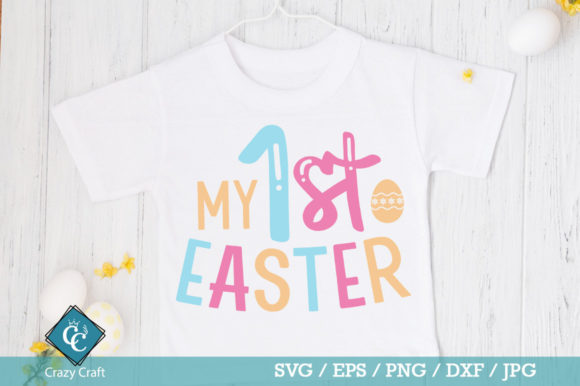
When I opened My First Easter SVG Design, I wasn’t scanning for clipart appeal—I was asking: *Will this hold up in thread?* As someone who’s stitched hundreds of holiday designs onto baby onesies, boutique totes, and small-batch sweatshirts, my first impression matters less than my third stitch. This design lands with gentle confidence: a soft, rounded egg shape cradling simple florals and a subtle “My First Easter” script—no fussy outlines, no over-engineered flourishes. It reads as warm, not cutesy; intentional, not generic. That balance is rare in entry-level holiday graphics—and it’s exactly why I reached for my embroidery machine before finishing the unzipping.
Real-World Stitch Test: From Digital File to Embroidered Tote Bag
Last week, I prepped a linen-cotton blend tote bag for a local nursery’s Easter pop-up. I chose My First Easter SVG Design for its clean silhouette and scalable simplicity—not because it’s “Easter-themed,” but because it *breathes* on fabric. I converted it to an embroidery file using my standard workflow (no auto-trace needed—the vectors are crisp), then sized it to 3.8" wide for the tote’s front panel. On medium-weight stabilizer, the satin-stitched egg edge held beautifully; the floral fill stitches laid flat without piling or shadowing. Most importantly, the script remained legible—even at that scale—without needing digitized letter enhancements. Customers noticed it immediately: “That font feels handmade, not mass-printed.” That’s the quiet win: My First Easter SVG Design supports the handmade product story, not competes with it.
Where It Shines—and Where It Needs Thoughtful Handling
This isn’t a one-size-fits-all embroidery file. Its strength lies in intentionality, not versatility. It works exceptionally well for:
- Baby embroidery—on onesies, burp cloths, and crib blankets—where softness and readability trump density;
- Tote bag design and apron embroidery, especially on natural fibers like canvas or linen;
- Personalized gifts like tea towels or pillow covers where customers value warmth over wow-factor;
- Small shop product lines targeting new parents or spring-themed boutique branding.
But proceed with care on:
- Stretchy fabric (like jersey tees)—the open negative space around the egg needs solid stabilizer backing to prevent distortion;
- Curved surfaces (caps or hats)—the balanced layout doesn’t adapt well to high-crown curves without manual repositioning;
- Dark fabric—test thread colors early; light pastels can fade visually without contrast stitching or underlay;
- Tiny hoop sizes (<4" diameter)—the script starts losing nuance below 3.2", so verify your smallest commercial hoop before committing to batch production.
Design Assets That Build Trust—Not Just Decoration
As an Etsy seller and craft business mentor, I watch how design choices ripple through customer perception. My First Easter SVG Design quietly elevates perceived value—not by adding complexity, but by removing visual noise. When stitched on a cream-colored kitchen towel, it reads as heirloom-quality, not seasonal filler. That matters for giftability and repeat buyers. It also reinforces brand consistency: if your shop leans into gentle, modern nostalgia (think neutral palettes, organic textures), this graphic fits like a well-worn apron. But if your aesthetic runs bold, graphic, or highly detailed, it may feel underpowered beside your other T-Shirt Designs or Graphics.
Practical Embroidery Designer Notes You Can’t Skip
Before you load My First Easter SVG Design into your machine or list it in your digital embroidery file shop:
- Test on scrap fabric first—especially if pairing with textured weaves or blends;
- Review stitch density manually; while the file converts cleanly, dense fill areas benefit from slight underlay adjustment on heavier fabrics;
- Confirm licensing terms before selling finished embroidered items commercially—this is a digital cut file, not automatically cleared for unlimited resale;
- Check contrast in black-and-white mockups; what reads softly on screen may vanish on dark denim or charcoal fleece;
- Use tear-away + cutaway hybrid stabilizer for best results on lightweight cottons and baby knits;
- Inspect small details at actual stitch size—zoom in on the flower centers and script terminals before finalizing;
- Compare performance on light vs. dark fabric backgrounds—thread color choice changes everything here.
Final Thought: A Quietly Confident Easter Staple
My First Easter SVG Design won’t shout from a craft fair table—but it will make customers pause, smile, and say, “I’d buy that for my sister’s baby.” That’s the mark of a thoughtful embroidery project: it serves the product, honors the maker’s hand, and leaves room for the person wearing or gifting it to feel seen. It’s not flashy. It’s focused. And in a market flooded with over-digitized holiday graphics, that focus is its strongest stitch.